Brachial Plexus Palsy (Brachial Plexus Injuries in Adults):
The brachial plexus is a complex network of nerves originating from cervical and upper thoracic spinal cord segments (C5–Th1) that provides motor and sensory innervation to the entire upper extremity, including the shoulder girdle, arm, forearm, and hand. Brachial plexus injuries occur predominantly in young, active individuals, typically resulting from high-energy road traffic accidents (such as motorcycle or bicycle crashes), with men affected more frequently than women.
Such injuries manifest as severe movement restrictions and weakness in the affected arm and shoulder girdle, accompanied by sensory loss in the corresponding areas. Paralysis typically appears immediately following trauma. Depending on the accident mechanism, lesions can range from mild traction or stretch injuries (neuropraxia/axonotmesis) to complete nerve transection or preganglionic root avulsions from the spinal cord at multiple levels. In closed trauma, acute management consists of active, targeted physical therapy under close clinical and neurophysiological monitoring. When motor paralysis and sensory deficits persist beyond three to four months without signs of clinical or EMG reinnervation, surgical reconstruction must be carefully evaluated.
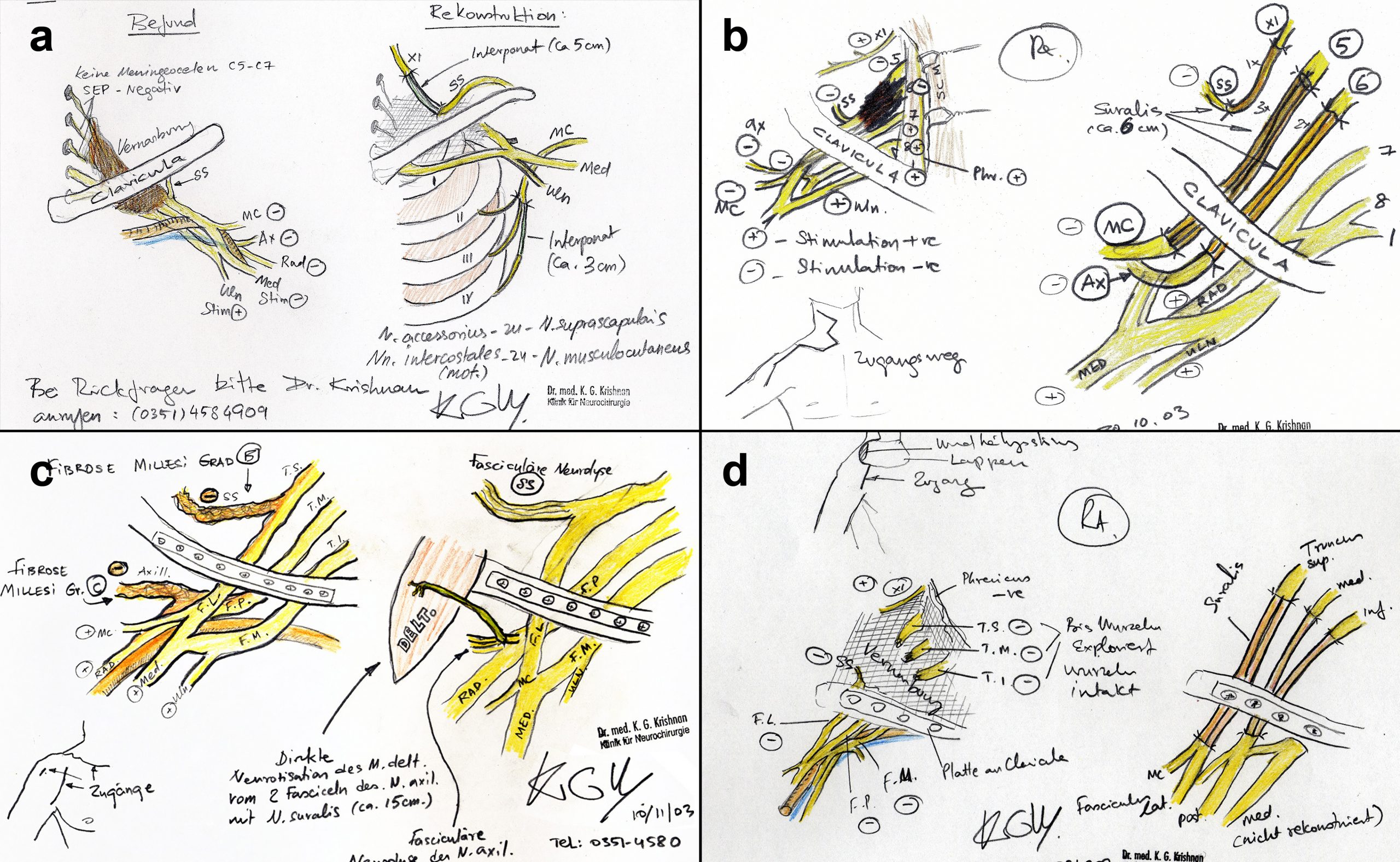
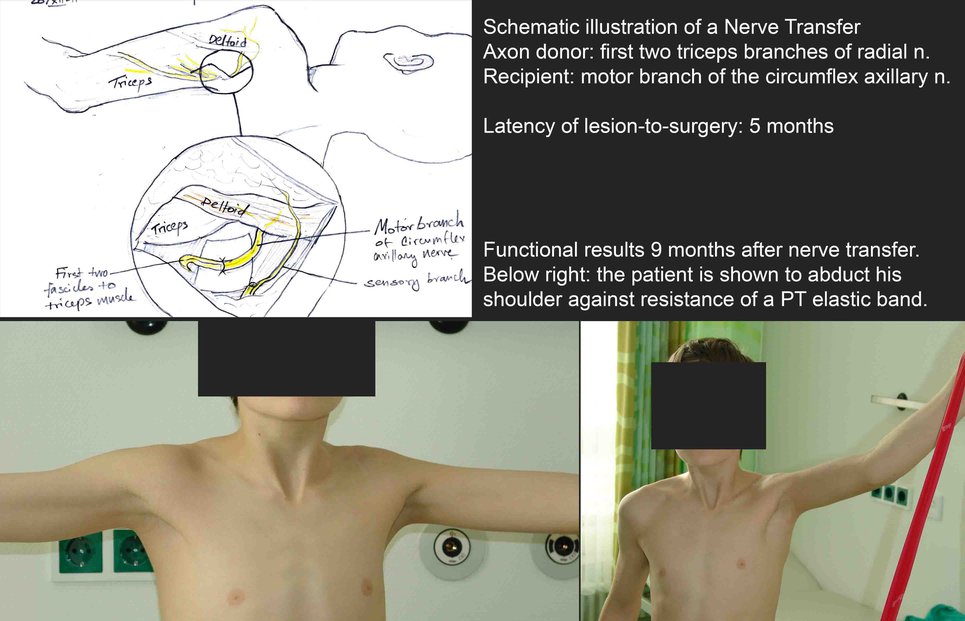
Surgical reconstruction of brachial plexus injuries is determined by the pattern, mechanism, and severity of the lesion. In complete root avulsions, where original spinal root stumps are unavailable, nerve transfer procedures (neurotization, such as intercostal, spinal accessory, or phrenic nerve transfers to brachial plexus target nerves, as well as Oberlin/dual-nerve transfers) are performed. These procedures redirect viable nerve impulses from donor nerves directly into denervated targets. Following nerve transfer surgery, specialized post-operative motor re-education ("cortical retraining") is indispensable.
As with all peripheral nerve reconstructions, functional recovery depends heavily on the type and extent of the reconstructive procedure required. Following external and internal neurolysis (releasing nerve fibers from scar entrapment in intact trunks), the prognosis is highly favorable. In reconstructive interventions involving direct coaptation, interpositional nerve grafting (sural nerve grafts), or extraplexal/intraplexal nerve transfers, prognosis is strongly governed by surgical timing: the earlier the repair is carried out, the higher the rate of functional reinnervation. Axonal reinnervation typically requires 12 to 18 months of intensive, dedicated physiotherapeutic rehabilitation.
The comprehensive management of brachial plexus injuries necessitates specialized interdisciplinary collaboration, coordinating neurosurgeons, peripheral nerve specialists, neurologists, physical therapists, and trauma surgeons to achieve the best possible long-term outcomes.
- Timeline & Protocol for Brachial Plexus Reconstruction:
- Open injury – Immediate microsurgical exploration and reconstruction whenever feasible (dependent on systemic trauma status)
- Closed injury (the vast majority of cases) – Clinical observation and active therapy for up to 5 months → If no signs of spontaneous recovery → Primary microsurgical nerve reconstruction (nerve suture / nerve graft / nerve transfer)
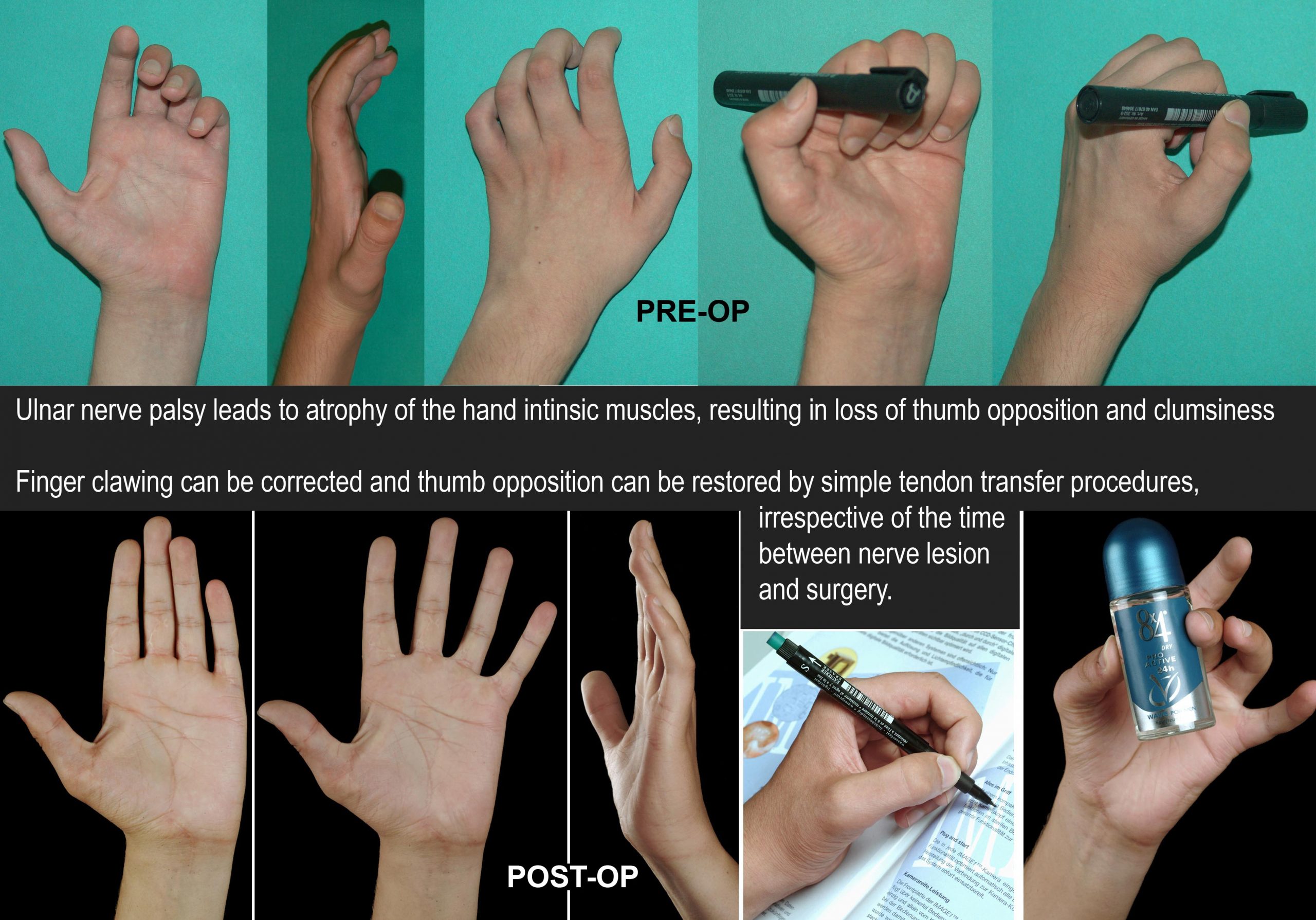
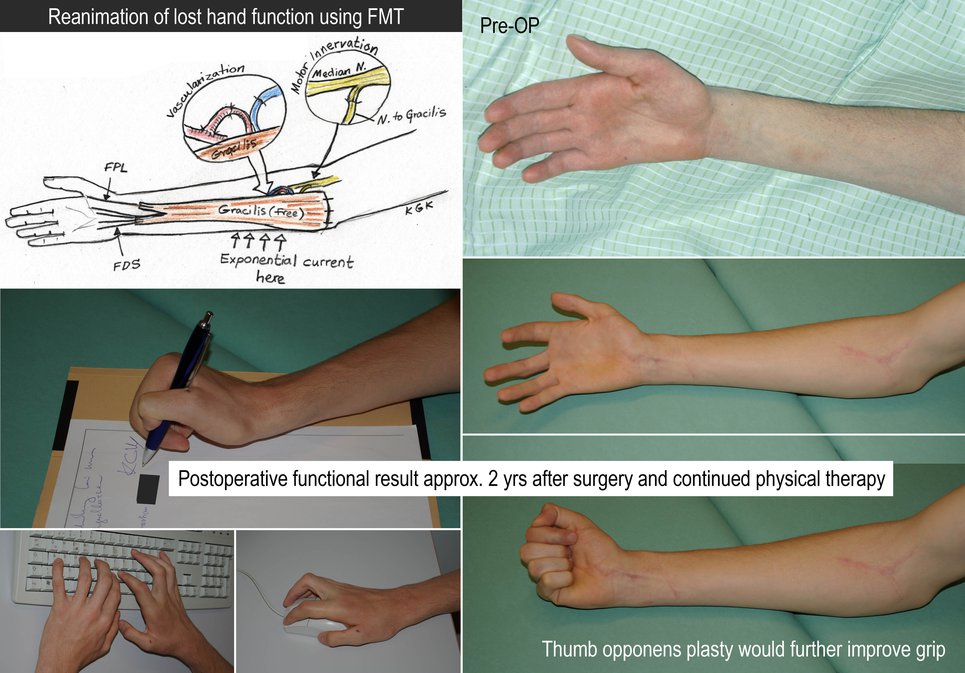
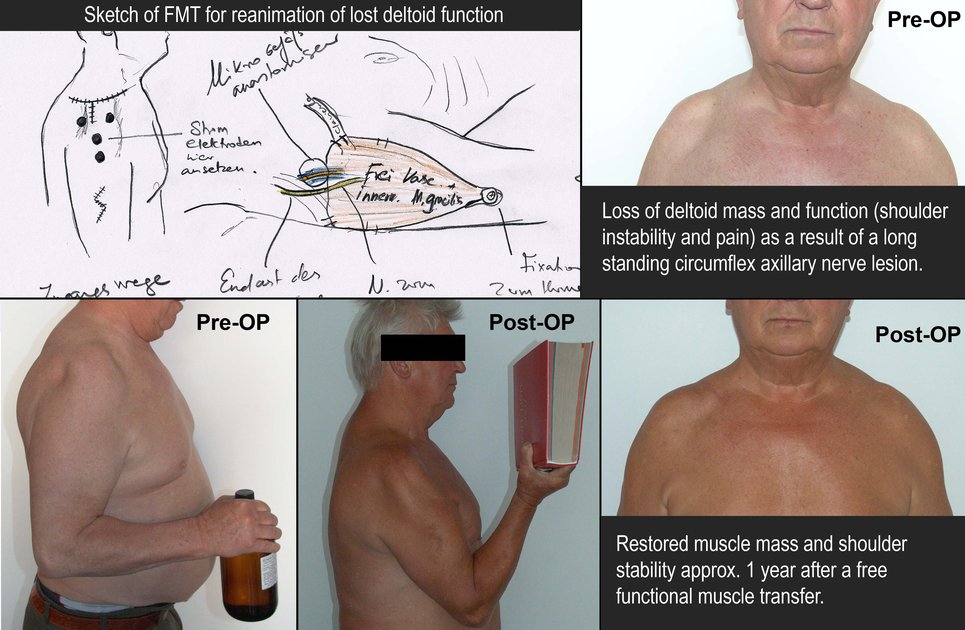
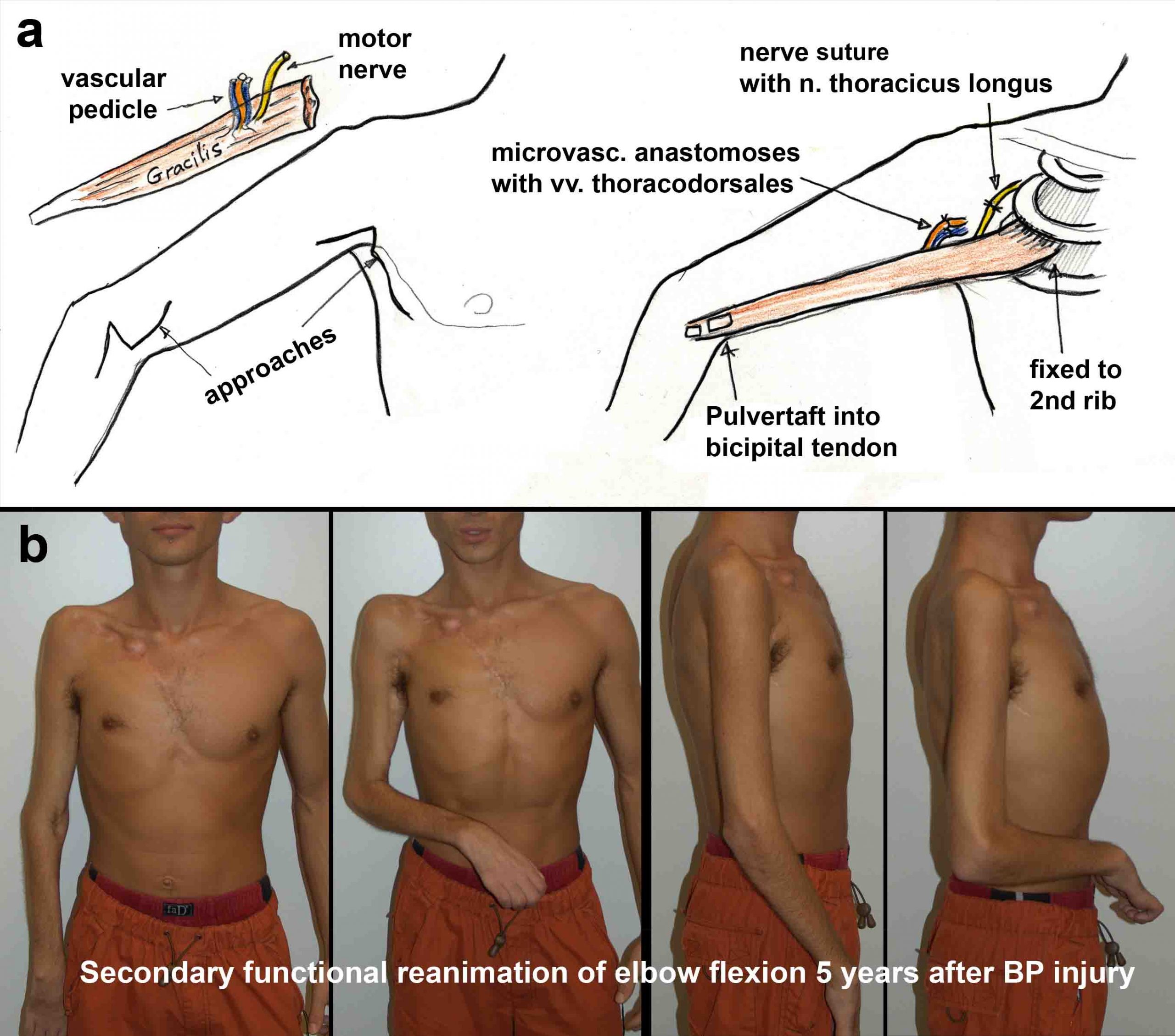
- Late presentation (>1 year post-trauma) – Secondary functional salvage procedures to restore essential movement (tendon transfers, local muscle transfers, free functional muscle transplantation [FFMT])
Frequently Asked Questions:
? When should I seek specialist consultation following arm paralysis after an accident?
Answer: As soon as possible.
? What are the most common deficits in brachial plexus injuries?
Answer: Most frequently, paresis or complete paralysis of shoulder abduction (arm elevation) and elbow flexion (biceps function). Depending on the extent of the plexus lesion (upper, lower, or complete pan-plexus injury), paralysis of the entire upper extremity, including total loss of hand function, may occur.
? How is the decision made whether brachial plexus reconstruction surgery is necessary?
Answer: This decision is highly individualized. Patients presenting soon after trauma are initially evaluated and enrolled in structured physical therapy under close neurological and electrodiagnostic monitoring. Surgical indications are established when severe paralysis persists without electrophysiological reinnervation, or when an initial slight recovery plateaus prematurely. For these reasons, surgical indications are established strictly on a case-by-case basis.
? How long is the hospital stay for brachial plexus reconstruction?
Answer: Typically three to seven days.
? Where and how is postoperative follow-up and rehabilitation conducted?
Answer: Following surgery, patients undergo rehabilitation at a specialized neuro-rehabilitation center near their home, where intensive physical therapy and electrical muscle stimulation can be performed under continuous clinical and electrophysiological monitoring. We maintain direct, ongoing communication with the treating physicians and therapists to ensure a coordinated, seamless therapeutic course.
? Can anything still be done to improve arm function if paralysis has existed for an extended period?
Answer: Primary nerve reconstruction is generally no longer effective beyond 12 to 18 months because denervated target motor endplates undergo irreversible fibrosis and fatty degeneration. In such chronic cases, secondary reconstructive options—such as tendon transfers, local pedicled muscle transpositions, and free functional muscle transplantation (FFMT, e.g., gracilis transfer)—can restore vital arm and hand functions. An essential prerequisite for these salvage procedures is that the affected joint must retain full passive mobility.
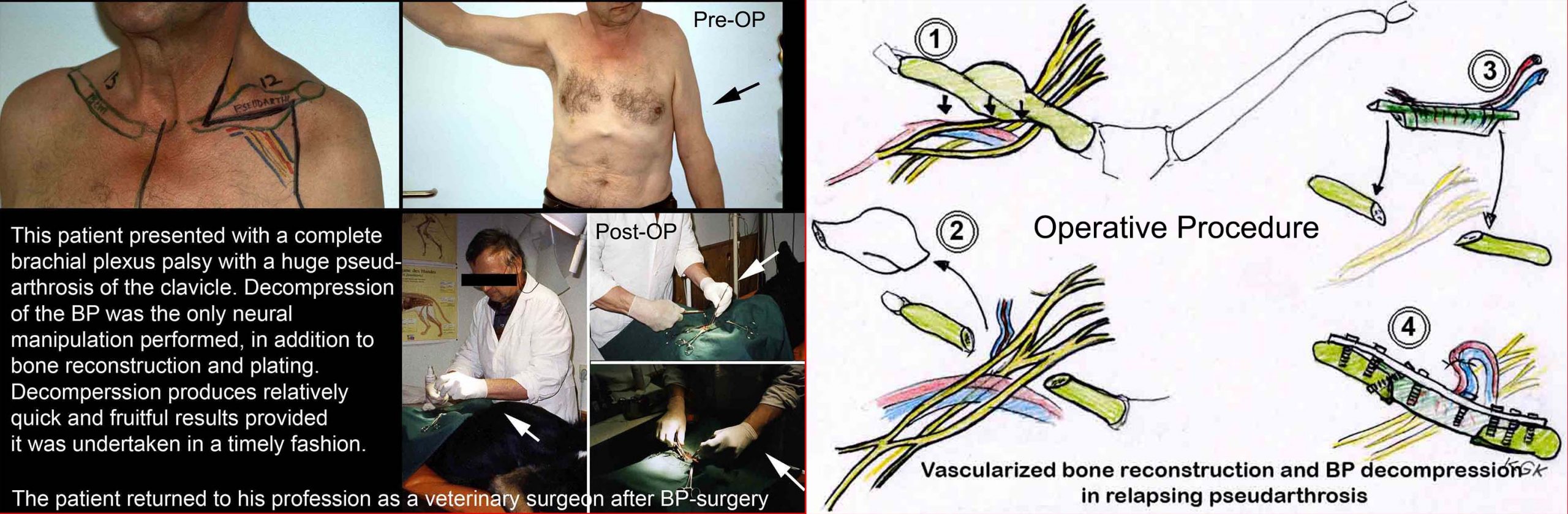
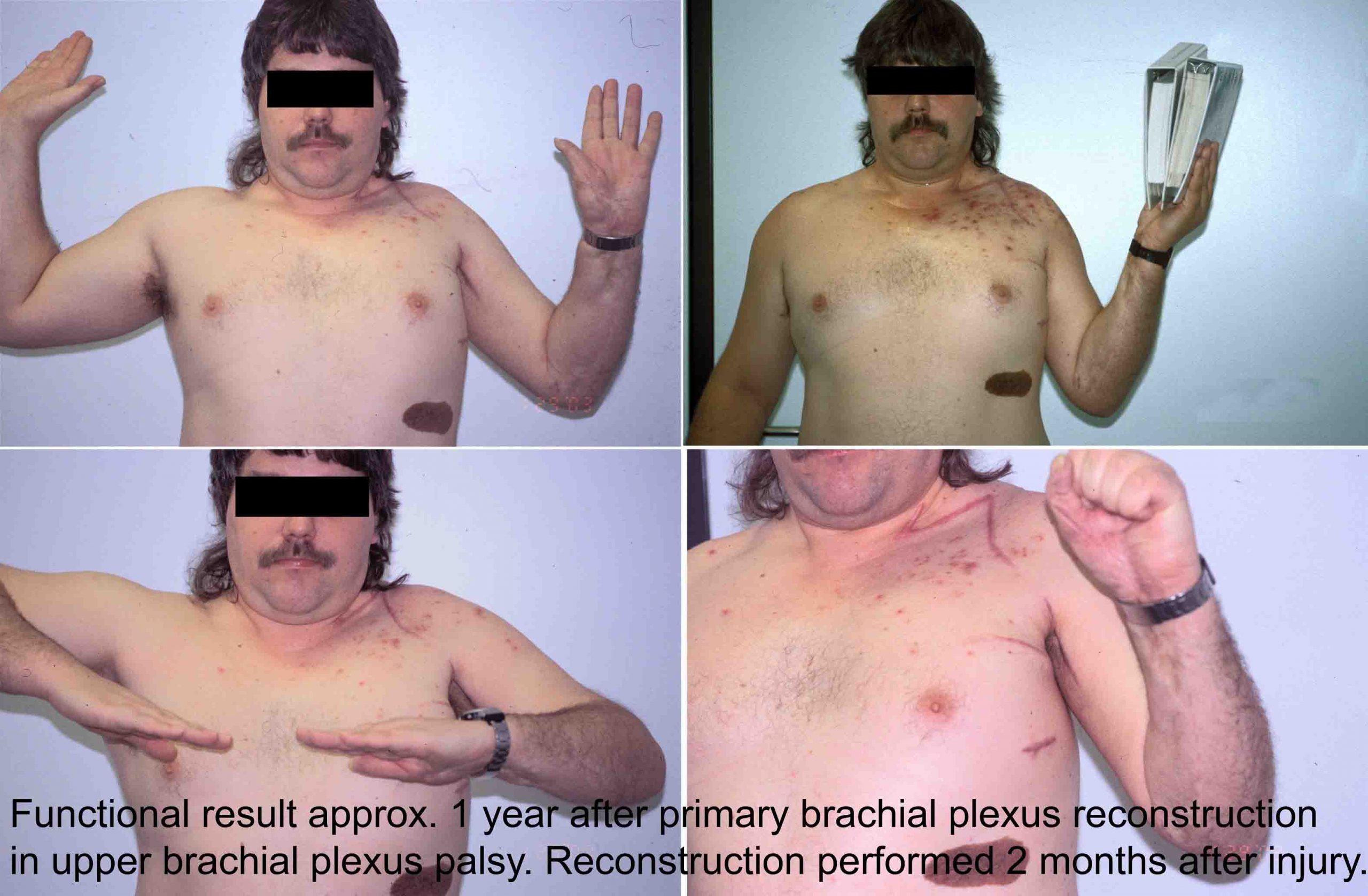
Selected clinical examples: Primary brachial plexus reconstruction and secondary functional restoration via tendon and muscle transfers / free muscle transplantation: